
The Hidden Problem Most Homeowners Never Think About
If your clothes are taking longer to dry, your laundry room feels hotter than normal, or your dryer seems to be working harder than it used to, you might assume it’s time for a new appliance.
In reality, the problem often isn’t the dryer at all.
It’s the dryer vent.
Every week we visit homes where customers have spent thousands of dollars replacing perfectly good appliances, only to discover that their brand-new dryer has exactly the same problem as the old one. The culprit? A clogged dryer vent.
Most People Don’t Even Know Dryer Vent Cleaning Is a Service
One of the most common things we hear is:
“I didn’t even know dryer vent cleaning was something people did.”
And that’s completely understandable.
Unlike changing furnace filters or cleaning gutters, dryer vent cleaning isn’t something most homeowners are ever told about. Many people simply assume that cleaning the lint filter after every load is enough.
Unfortunately, it isn’t.
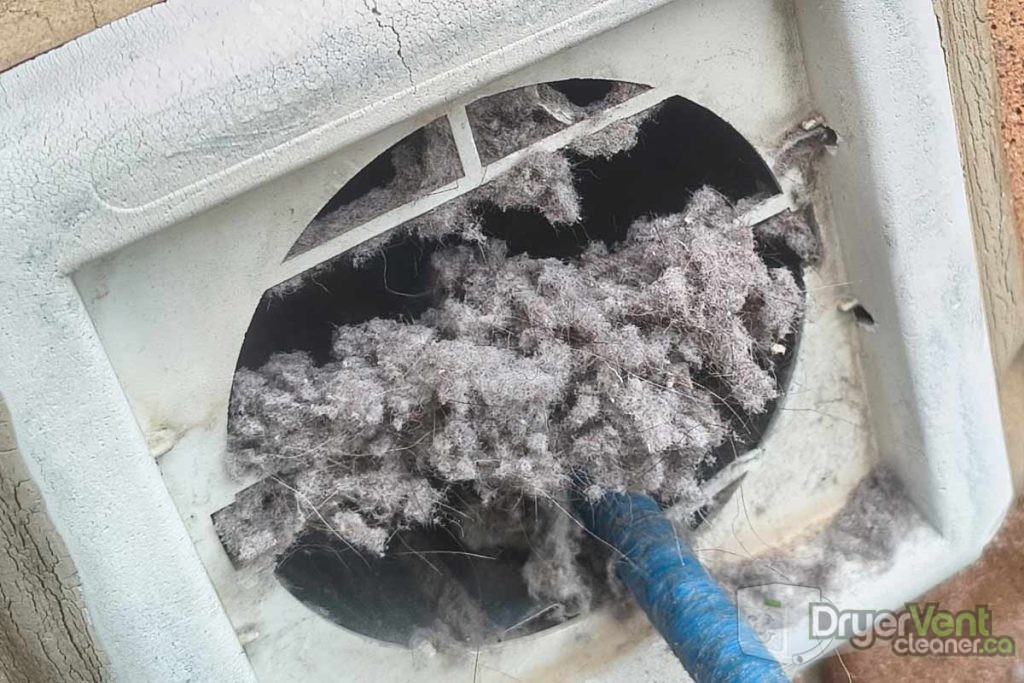
The lint screen only captures a portion of the lint produced during drying. The rest continues through the dryer vent where it gradually sticks to the inside of the duct work.
Over time that buildup restricts airflow, making your dryer work harder and harder.
Your Dryer May Not Be the Problem
We’ve seen customers replace:
- The dryer
- The washer and dryer together
- Entire matching appliance packages
…only to find their new dryer still takes two or three cycles to dry a load of towels.
Why?
Because the vent was never cleaned.
A clothes dryer is actually a very simple appliance. It:
- Heats the air
- Tumbles the clothes
- Pushes moist air through the lint filter
- Blows it outside through the dryer vent
If that air can’t escape efficiently, everything slows down.
The dryer keeps producing heat, but the moisture has nowhere to go.
Your Dryer Can Still Look Brand New After 10 Years
Unlike many household appliances, dryers don’t usually show their age.
A ten-year-old dryer often looks almost identical to when it was installed.
The hidden problem is behind the dryer and inside the walls.
Every load adds a little more lint to the vent system.
Month after month.
Year after year.
Eventually that buildup begins restricting airflow.
Because you can’t see inside the vent, many homeowners never realize there’s a problem until drying times become excessive.
We Don’t Guess—We Test
One thing that makes our service different is that we don’t simply clean a vent because someone asks us to.
We test it.
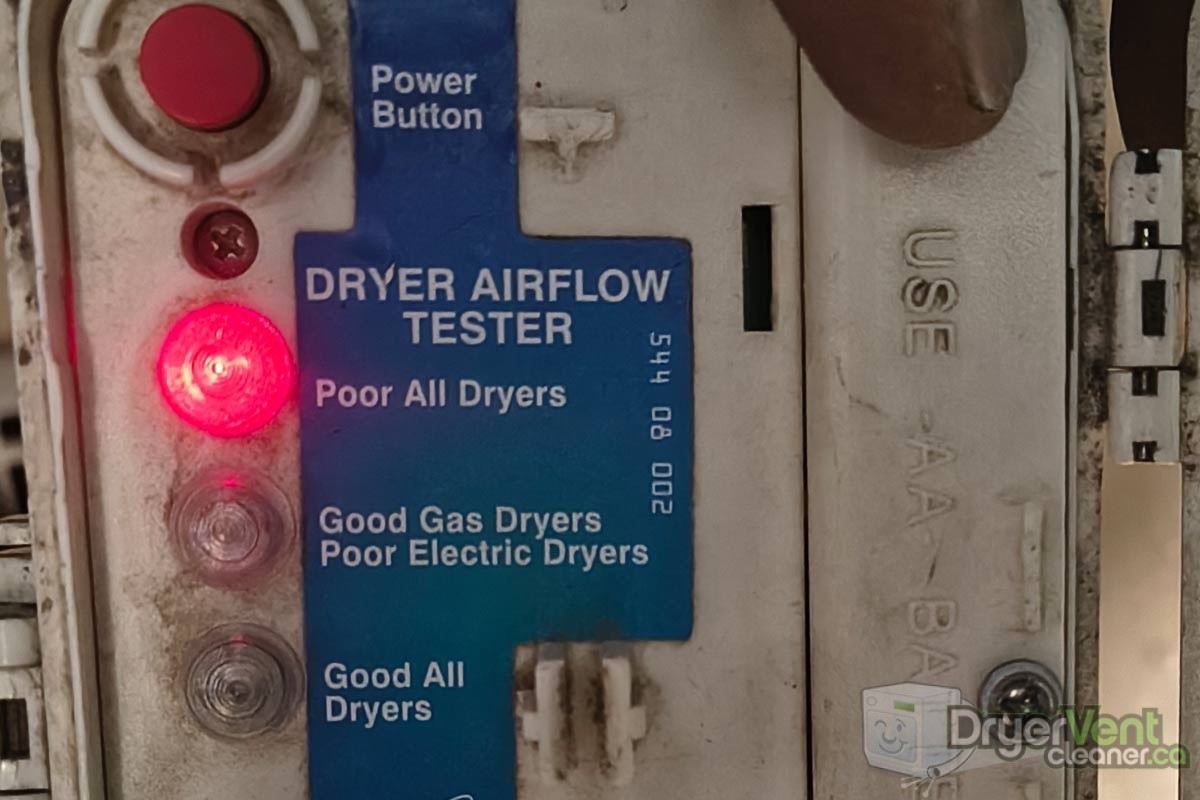
Using our state-of-the-art airflow diagnostic equipment, we measure exactly how well your dryer vent is performing.
The results are easy to understand:
- 🔴 Red = Poor airflow or blockage
- 🟡 Yellow = Restricted airflow that should be improved
- 🟢 Green = Airflow is performing well
This allows both us and the customer to see what’s actually happening inside the system.
No guessing.
No unnecessary work.
Just real data.
A Green Light Doesn’t Always Mean a Clean Vent
This surprises many homeowners.
A green airflow reading doesn’t necessarily mean there’s no lint inside the vent.
It simply means the lint hasn’t yet restricted the airflow enough to create a blockage.
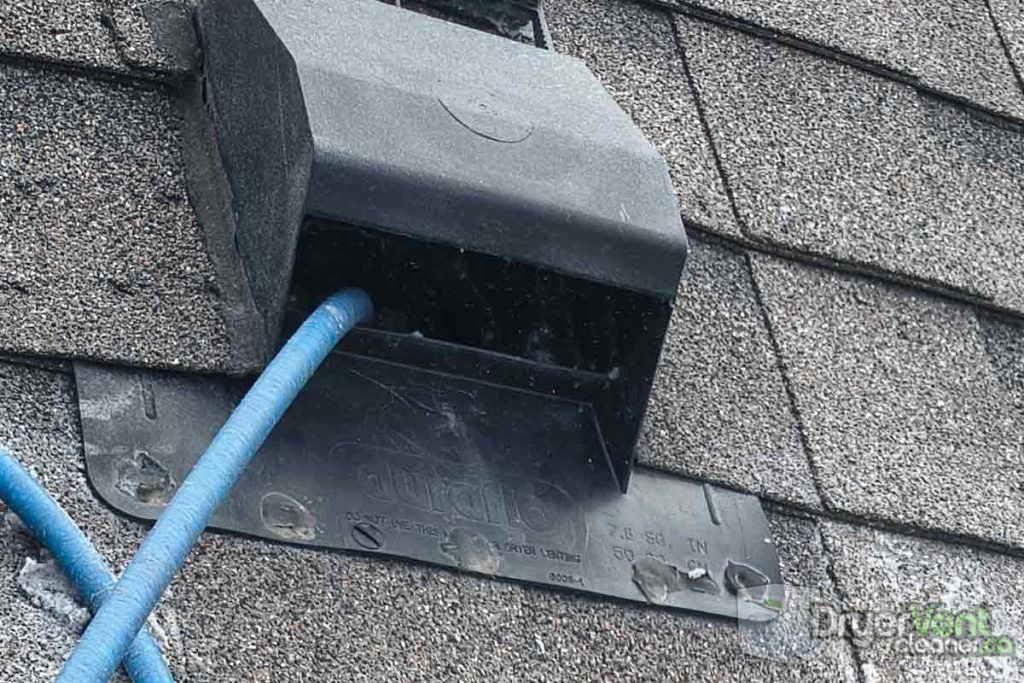
For example, on some roof vent systems we may get an excellent airflow reading.
That tells us the vent is moving air properly.
However, if we know the vent has never been cleaned or the home is several years old, there may still be lint lining the duct work that hasn’t reached the point of causing a restriction or most likely it’s become disconnected due to pressure build up.
In those cases, the airflow test also helps us identify other possibilities, such as disconnected duct work, damaged venting, or installation issues.
The diagnostic test helps us determine what should happen next.
Signs Your Dryer Vent May Need Cleaning
Watch for these warning signs:
- Clothes taking more than one cycle to dry
- Dryer feels unusually hot
- Laundry room becomes hot and humid
- Burning smell while drying clothes
- Dryer shuts off before the load is dry
- Excess lint around the dryer
- Outside vent flap doesn’t open fully
- It’s been several years since the vent was cleaned
- You have a long vent run or a roof vent
Why Regular Dryer Vent Cleaning Matters
A clean dryer vent can help:
- Reduce drying times
- Improve energy efficiency
- Reduce wear on your dryer
- Help prevent costly breakdowns
- Improve airflow throughout the system
- Reduce lint accumulation inside the vent
It’s a simple maintenance service that many homeowners never knew existed—but once they see the difference, they often wish they’d done it years earlier.
We Believe in Showing, Not Telling
Anyone can say they’ve cleaned a dryer vent.
We prefer to prove it.
That’s why we use professional airflow testing before and after the job whenever possible, so you can see exactly how your system is performing.
Whether your dryer vent runs through the wall, the attic, or exits through the roof, our goal is simple:
Give you the information you need so you can make an informed decision.
When Was Your Dryer Vent Last Cleaned?
If you can’t remember—or if it’s never been cleaned—there’s a good chance your dryer is working much harder than it needs to.
Before replacing an expensive appliance, have the vent tested first.
You may discover the dryer wasn’t the problem after all.
Before You Call an Appliance Repair Company, Try This Simple Test
Before calling an appliance repair company—or spending thousands of dollars replacing your washer and dryer—there’s a very simple test you can do yourself.
Start your dryer on a normal heat setting and let it run briefly. Then open the dryer door and check two things:
Is the drum turning? Is there heat inside the dryer?
If the drum is turning and the dryer is producing heat, there’s a very good chance that the dryer itself isn’t the problem. If your clothes are still taking too long to dry, the problem is very often poor airflow caused by a restricted or clogged dryer vent.
If your dryer vent exits through the side of the house and you can safely access it, there’s another easy check. With the dryer running, go outside and look at the vent.
Is there a good flow of warm air coming out? Is the outside flap opening properly?
If there’s very little airflow—or none at all—while the dryer is running, that’s a strong indication that something is restricting the vent. It could be lint buildup, a clogged exterior vent cap, crushed or damaged ductwork, or another problem somewhere along the dryer vent system.
We’ve been to plenty of homes where customers assumed their dryer was worn out because clothes were taking two or three cycles to dry. The dryer was heating. The drum was turning.
It simply couldn’t get the hot, moisture-laden air out of the house.
Before you replace the dryer, check the vent.
A relatively simple dryer vent cleaning could save you from replacing an appliance that wasn’t broken in the first place.